
Why the First Six Weeks of Alternate Provision Matter
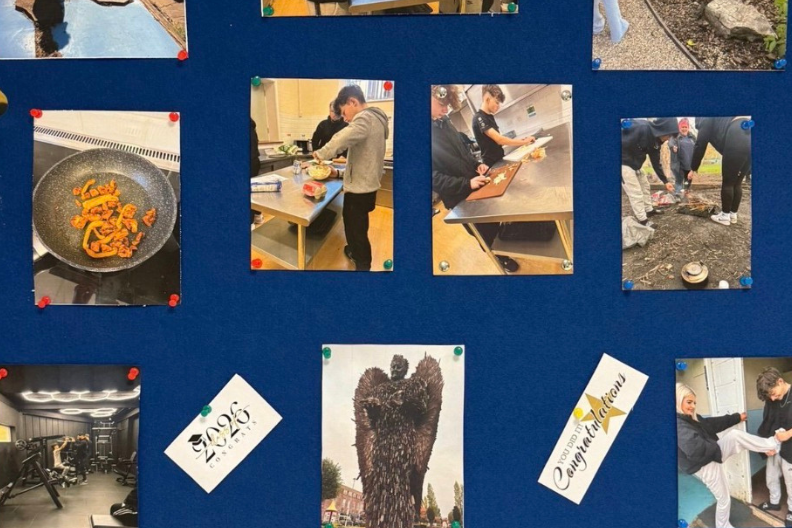
The start of a new academic year is an opportunity for every young person to begin with a clean slate. New classrooms, new teachers and new routines create a sense of possibility, while schools work hard to establish positive learning environments that encourage students to succeed. For many, September is an exciting time. For others, however, returning to education can bring uncertainty, anxiety and challenges that are not always immediately visible.
The first six weeks of the autumn term are often some of the most important of the entire academic year. During this period, attendance patterns begin to develop, relationships with staff are established and students start adapting to new expectations. It is also the point at which schools can begin to identify those who may require additional support before concerns become more significant.
At AS2Educate, we understand that no two young people are the same. Every student arrives with different experiences, strengths and barriers to learning. While many settle quickly into the new term, others benefit from a different approach to education that helps them rebuild confidence, re-engage with learning and work towards positive outcomes.
Recognising the importance of early intervention can make all the difference.
Why September Sets the Tone for the Year Ahead
A successful academic year rarely happens by chance. It begins with consistency, positive relationships and a strong foundation that allows young people to feel safe, supported and ready to learn.
The habits established during the first half-term often influence attendance, behaviour and engagement throughout the remainder of the year. Students who develop positive routines early are more likely to attend regularly, participate in learning and build strong relationships with staff and their peers.
However, for young people already facing barriers to education, September can quickly become overwhelming.
The transition from the summer holidays back into structured learning can be difficult for students experiencing anxiety, low confidence, social and emotional challenges or previous negative experiences of education. New classrooms, unfamiliar teachers and increased academic expectations can create additional pressure at a time when they are still adjusting to change.
This is why the first few weeks are so valuable. Rather than waiting for challenges to become entrenched, schools have an opportunity to recognise when a young person may need additional support and respond before disengagement begins to develop.
Early conversations, regular communication with families and strong pastoral support can often prevent small concerns from becoming much larger issues later in the year.
Looking Beyond Behaviour
Behaviour is often one of the first indicators that a young person may be struggling, but it is rarely the root cause.
A student who becomes withdrawn, regularly arrives late or begins disrupting lessons is often communicating something far more significant than their behaviour alone. Anxiety, difficulties at home, previous experiences in education or challenges with emotional regulation can all affect how a young person engages within the classroom.
Rather than focusing solely on the behaviour itself, it is important to understand what may be driving it.
This shift in perspective has become increasingly important across education. Schools are recognising that meaningful intervention starts with understanding the individual rather than simply responding to the symptoms.
At AS2Educate, relationship-led practice sits at the heart of everything we do. We know that when young people feel understood, respected and supported, they are far more likely to engage positively with education. Building trust takes time, but it creates the foundation from which confidence, resilience and academic progress can grow.
By taking the time to understand each student's circumstances, education professionals can begin to identify the most appropriate support before patterns of absence, disengagement or exclusion become established.
The Value of Early Intervention
Every young person deserves the opportunity to succeed, regardless of the challenges they may face.
Early intervention is about identifying concerns at the earliest possible stage and providing support that enables students to remain engaged with education. This does not always require significant changes. Sometimes, relatively small adjustments can have a lasting impact.
Providing additional pastoral support, adapting learning approaches, strengthening communication with families or introducing specialist provision where appropriate can all help young people remain connected to education.
When support is introduced early, students are more likely to develop positive coping strategies, improve attendance and regain confidence in their ability to learn. They are also less likely to experience the long-term consequences associated with persistent absence, behavioural difficulties or exclusion.
Unfortunately, delaying intervention often allows challenges to become increasingly difficult to address. Attendance may continue to decline, confidence can reduce further and young people may begin to believe that education simply is not for them.
At AS2Educate, we regularly work alongside schools that have recognised the importance of acting before this point. Through collaborative partnerships, we help provide structured, personalised education that enables students to rebuild confidence while continuing to work towards recognised qualifications and meaningful progression.
Our experience consistently shows that when young people receive the right support at the right time, positive change is not only possible but sustainable.
Alternative Provision as Part of the Solution
Alternative Provision is sometimes misunderstood as a last resort. In reality, it should be viewed as one of the many tools available to schools when supporting young people with additional needs.
For some students, mainstream education remains the most appropriate setting with additional support in place. For others, a different learning environment can provide the stability, structure and personalised approach they need to reconnect with education.
Alternative Provision offers more than simply a different location to learn. It creates opportunities for young people to develop confidence, improve attendance, strengthen emotional wellbeing and achieve qualifications within an environment that understands their individual needs.
At AS2Educate, our programmes are designed around the belief that school may not be for everyone, but education is.
Through smaller class sizes, vocational learning opportunities, experienced staff and consistent routines, we help students develop the skills they need not only to achieve academically but also to prepare for adulthood, employment and lifelong learning.
By working closely with referring schools and local authorities, we ensure that every young person receives joined-up support that places their long-term success at the centre of every decision.
Building Strong Partnerships Around Every Young Person
Supporting a young person is rarely the responsibility of one organisation alone.
Schools, parents, carers, local authorities and Alternative Provision providers all have an important role to play in creating consistency and stability. Open communication and collaborative working ensure that interventions are effective, progress is monitored and students receive the encouragement they need from every adult involved in their journey.
When organisations work together, young people benefit from a shared understanding of their goals, strengths and support needs. This joined-up approach not only improves educational outcomes but also helps students develop trust in the adults supporting them.
At AS2Educate, partnership working is fundamental to the way we operate. We believe that meaningful progress is achieved through collaboration, with every decision focused on helping young people move forward with confidence.
Looking Ahead
The first six weeks of the school year provide more than simply an opportunity to settle into new routines. They offer schools the chance to identify potential challenges early, strengthen relationships and provide the right support before barriers to learning become more significant.
By recognising the importance of early intervention, education professionals can help young people remain engaged, improve attendance and build the confidence needed to succeed throughout the rest of the academic year.
Every student deserves the opportunity to thrive, and with the right support in place, positive outcomes become far more achievable.
At AS2Educate, we believe that education should adapt to the needs of the individual, not the other way around. By providing structured, personalised Alternative Provision, we help young people rediscover their confidence, achieve recognised qualifications and prepare for successful futures.
Looking for Alternative Provision this academic year?
AS2Educate provides high-quality KS4 and Post-16 Alternative Provision, supporting young people who benefit from a different approach to education. Through safeguarding, personalised learning and strong partnerships with schools and local authorities, we help students rebuild confidence, make meaningful progress and prepare for their next steps.
Whether you are looking to discuss a referral or explore how Alternative Provision could support a young person in your setting, our team is here to help.
Office Phone: 01462 542145
Richard Fihsoy: 07399 732761
Claire Ames: 07359 467512
Email: office@as2educate.co.uk
Website: www.as2educate.co.uk
Interested in how we support young people?
Learn more about our approach or get in touch with our team to discuss how we can help.